
 Ventolin Inhaler Side Effects and Safety Tips
Common Ventolin Side Effects You Should Recognize
Ventolin can bring quick relief, but it may also cause a few effects that are easy to notice. Many people feel a mild tremor in the hands, a faster heartbeat, or a bit of restlessness soon after using it. Some also report a headache, dry mouth, or slight throat irritation. These reactions are usually short-lived and fade as the medicine wears off, but they can still feel unsettling if you are not expecting them.
It helps to pay attention to how your body responds after each dose, especially if you are new to the inhaler. If symptoms are mild, staying calm and resting may be enough. If they become stronger, happen often, or interfere with daily activities, they should be discussed with a healthcare professional.
| Side effect | What you may notice |
|---|---|
| Tremor | Shaky hands or fingers |
| Palpitations | Fast or pounding heartbeat |
How Ventolin May Affect Your Heart
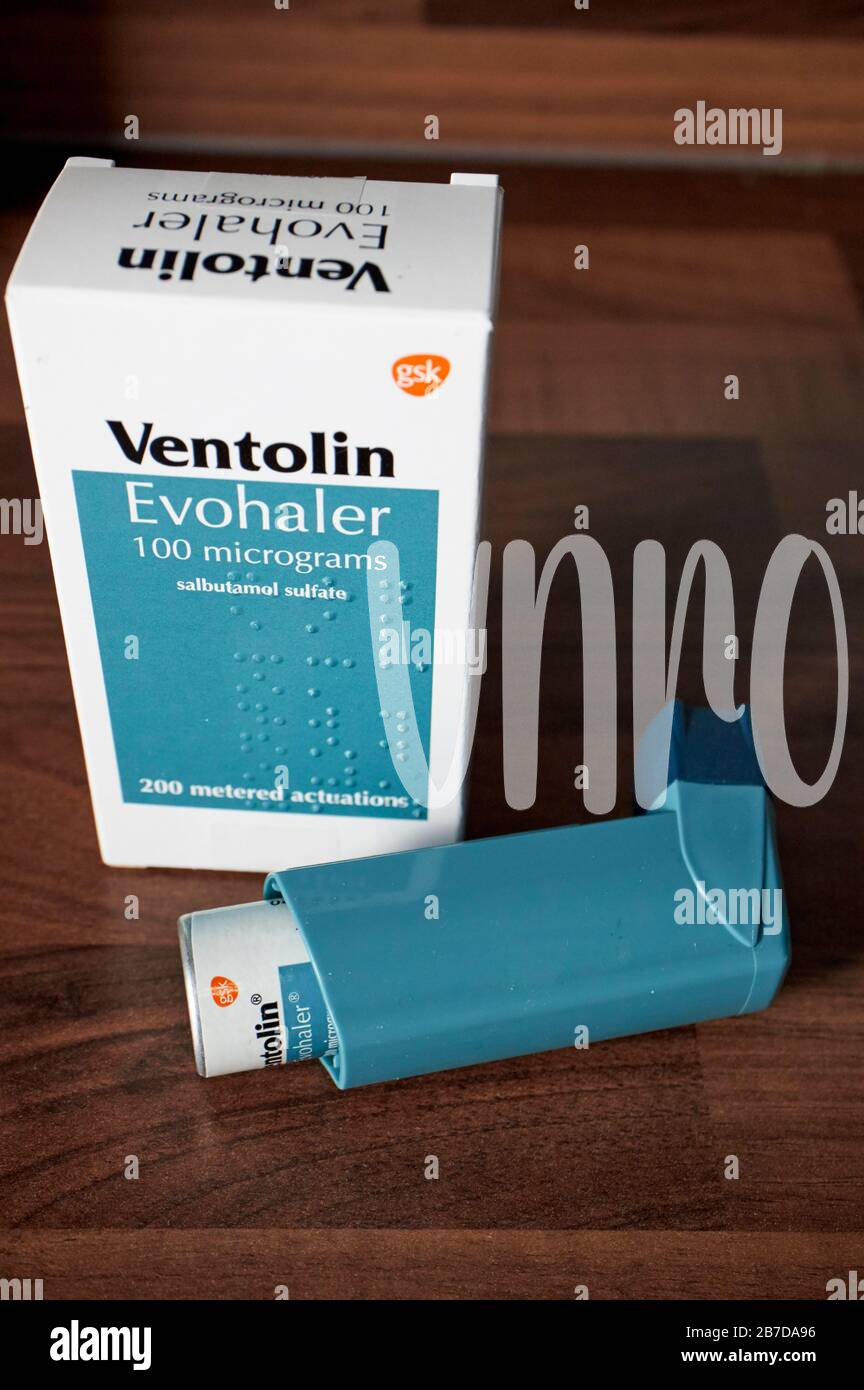
After using a ventolin inhaler, some people notice their heart beating faster or feeling like it is racing for a few minutes. This happens because the medicine can stimulate receptors that help open the airways, but it may also briefly affect the heart. For most users, this reaction is mild and passes quickly, especially when the inhaler is taken as directed.
However, if palpitations, chest discomfort, dizziness, or an unusually irregular heartbeat appear, it should not be ignored. People with existing heart problems should be especially careful and speak with a healthcare professional if symptoms feel strong, frequent, or last longer than expected.
Managing Shakiness, Headache, and Nervousness
A ventolin inhaler can sometimes leave you feeling a little shaky, give you a mild headache, or make you unusually alert for a short time. These effects are often brief and tend to ease as your body adjusts. Taking slow breaths after each puff and using the inhaler only as prescribed can help reduce discomfort. Staying hydrated and avoiding excess caffeine may also make the experience smoother.
If nervousness appears, try pausing, sitting down, and focusing on calm breathing until it passes. Keeping track of when symptoms happen can help you notice patterns and discuss them with a doctor if needed. For many people, the benefits of fast relief outweigh these temporary effects, especially when the inhaler is used correctly and responsibly.
When Ventolin Symptoms Need Medical Attention

If you use a ventolin inhaler and your breathing does not improve after the usual dose, treat it as a warning sign. Needing the inhaler more often than prescribed, or finding that relief lasts only a short time, can mean your asthma or wheeze is getting worse.
Seek medical attention right away if you notice chest pain, a racing heartbeat, severe dizziness, or lips and fingertips turning blue. These symptoms may point to a serious reaction or a dangerous breathing problem that should not be ignored.
Also call a doctor if shakiness, nervousness, or headache become intense, or if you feel faint after using the inhaler. A quick review of your treatment can prevent complications and help you stay safe while managing symptoms.
Safe Ventolin Use: Dosage and Timing Tips
Use your Ventolin inhaler exactly as prescribed, because timing matters as much as dose. Most people use it before exercise or at the first sign of wheeze, but overusing it can mask worsening asthma. Keep track of how often you need relief medicine; if you’re reaching for it more than usual, your condition may need review.
The inhaler works best when you follow the labeled instructions and wait the recommended time between puffs. Do not take extra doses to “catch up” if one was missed, and never share your inhaler with anyone else. If you use a spacer, it can help the medicine reach your lungs more effectively.
| Tip | Why it helps |
|---|---|
| Stick to prescribed doses | Reduces side effects and misuse |
| Track frequent use | Signals poor symptom control |
| Follow spacing instructions | Improves safety and effectiveness |
Preventing Risks with Proper Inhaler Technique
A Ventolin inhaler works best when each puff reaches deep into the lungs, not the mouth. Start by shaking the inhaler well, then breathe out fully before placing the mouthpiece between your lips.
As you begin to inhale slowly, press the canister once and keep breathing in steadily. Hold your breath for about ten seconds if you can, then exhale gently. This simple rhythm helps the medicine land where it is needed most.
Rushing through the steps can reduce relief and leave more medicine in your throat, which may cause irritation. A spacer can also improve delivery and make the process easier, especially for children.
Clean the inhaler regularly and check that it is not empty. If your technique feels uncertain, ask a pharmacist or clinician to watch you use it and offer quick corrections.