
 Clindamycin Resistance: Why It Matters Today
Why Clindamycin Resistance Is Rising Now
Antibiotic pressure is one of the biggest reasons clindamycin resistance is climbing. As this drug has been used widely for skin, dental, and anaerobic infections, bacteria have had more chances to adapt. In hospitals and communities alike, repeated exposure can favor strains that carry resistance genes or switch on protective mechanisms, making treatment less reliable over time.
The rise is also linked to the spread of resistant staph and streptococcal strains, plus easier travel of patients between care settings.
| Factor | Impact |
|---|---|
| Frequent use | Selects resistant bacteria |
| Gene transfer | Spreads resistance quickly |
| Healthcare exposure | Amplifies transmission |
How Resistant Bacteria Outmaneuver Clindamycin
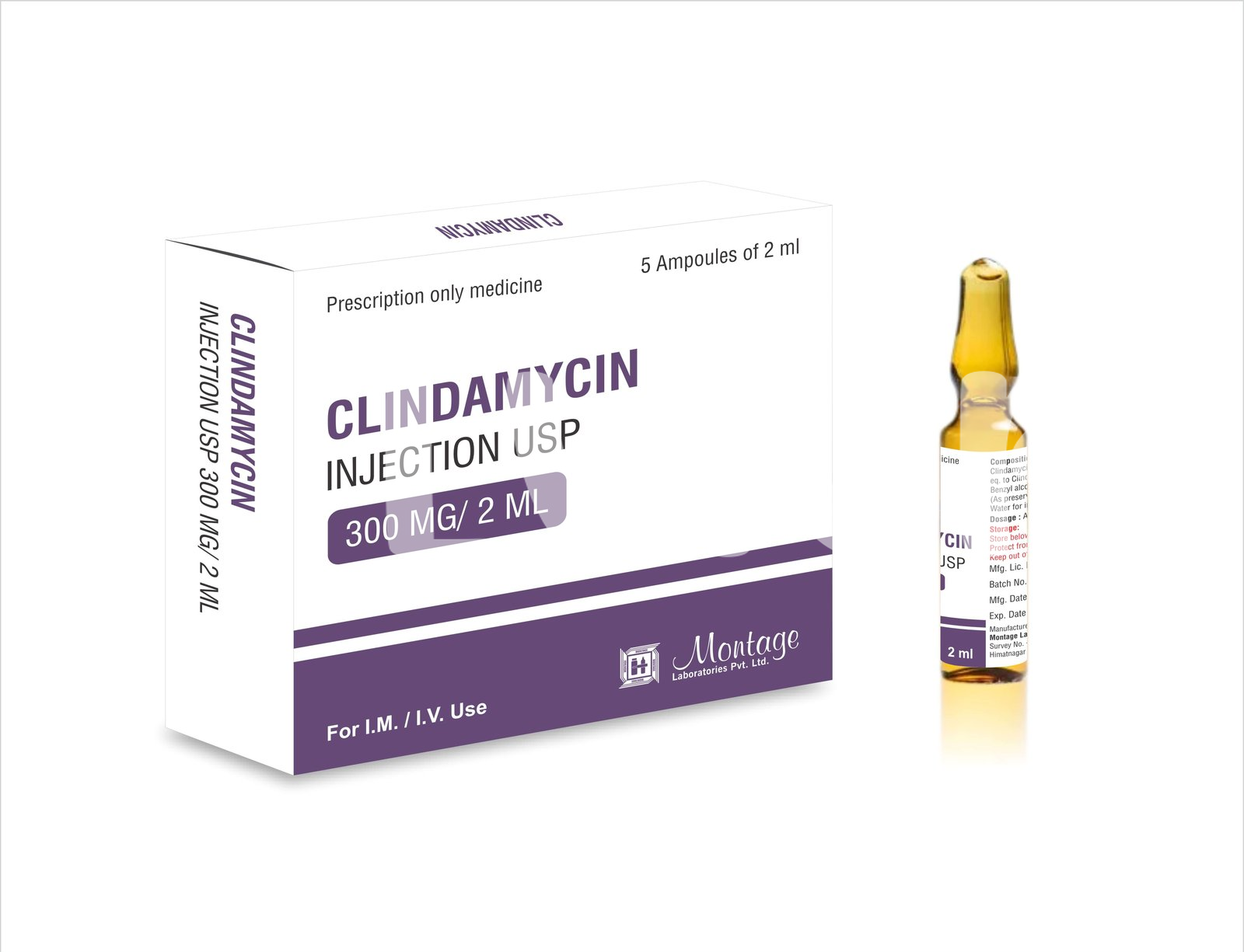
Some bacteria survive clindamycin by changing the drug’s target site, so the antibiotic can no longer bind effectively. Others produce enzymes that modify the ribosome or activate resistance genes only when exposed, turning treatment into a race bacteria often win.
In mixed infections, resistant strains may also hide among susceptible ones, making early improvement misleading. As clindamycin levels fall or tissue penetration is uneven, these survivors multiply and dominate, especially in abscesses or deep skin infections.
This biological adaptability explains why a once-reliable option can fail unexpectedly. The result is not just persistence, but faster spread of resistant clones and fewer dependable choices when timely control matters most.
Infections Where Clindamycin Still Falls Short
Some infections move faster than clindamycin can keep up. When bacteria produce resistance mechanisms or live deep in tissues, the drug may not reach enough active levels to stop the spread. What looks like a routine skin or soft-tissue infection can become stubborn, especially if the pathogen is a resistant staph or mixed anaerobic infection.
In bone, bloodstream, or severe lung infections, clindamycin may fall short because the bacterial burden is high and the stakes are higher. Even when symptoms seem mild at first, the wrong antibiotic can give microbes time to multiply, extend inflammation, and complicate recovery.
That is why matching the drug to the infection matters. A careful diagnosis, culture results, and local resistance patterns can reveal when clindamycin is unlikely to succeed. In those cases, faster action means better outcomes and fewer setbacks.
The Hidden Costs of Delayed Effective Treatment

When clindamycin fails because the infecting strain is resistant, the clock starts costing patients more than time. A wound that might have been contained with an early effective antibiotic can deepen into cellulitis, abscess, or bloodstream infection, turning a routine visit into an urgent admission. As symptoms linger, people often need repeat appointments, imaging, drainage procedures, or broader-spectrum drugs that bring their own risks. The result is not just slower recovery, but more pain, more anxiety, and more missed work or school.
Delayed effective treatment also fuels a wider problem. Ongoing bacterial growth can increase transmission, especially in crowded households, hospitals, or long-term care settings. Meanwhile, clinicians may escalate therapy after clindamycin failure, exposing patients to avoidable side effects and higher costs. In the end, resistance quietly transforms a manageable infection into a longer, more expensive, and more dangerous course of care.
Testing, Stewardship, and Smarter Antibiotic Choices
When treatment choices are based on guesswork, clindamycin can look useful at first, but that confidence may vanish once lab results arrive. Rapid susceptibility testing helps clinicians identify whether the organism is truly covered, preventing unnecessary exposure and wasted time.
Stewardship programs add another layer of protection by guiding when clindamycin is appropriate and when broader or narrower options make more sense. This reduces resistance pressure while improving the odds that the first prescribed drug actually works.
A smart antibiotic choice is not just about spectrum; it is about matching the drug to the infection, the patient, and the local resistance pattern. That balance can shorten illness and avoid preventable complications.
| Key step | Why it matters |
| Culture | Confirms the cause |
| Susceptibility | Guides the best drug |
What Clinicians Can Do to Preserve Effectiveness
Clinicians can help preserve clindamycin by treating it as a targeted, not routine, option. When culture results and local resistance patterns are available, they guide safer prescribing. This approach reduces unnecessary exposure and limits the pressure that drives resistant strains forward. NCBI Bookshelf IDSA
Careful diagnosis matters just as much. For suspected staphylococcal or anaerobic infections, ordering susceptibility testing can reveal inducible resistance that may otherwise be missed. Reviewing prior antibiotic use, infection severity, and likely pathogens helps clinicians choose the narrowest effective agent and avoid delays. PubMed Central WHO
Stewardship also means reassessing therapy quickly. If a patient is not improving, switching early can prevent complications and protect the drug’s future usefulness. Small choices at the bedside, repeated consistently, can keep clindamycin relevant when it is truly the right match. NCBI Bookshelf PubMed Central